
Digital strategy, design and growth partner in New York
A storefront for products that had no shelf.
RTFKT sold digital sneakers, collectibles and physical companion pieces back when none of those categories had settled conventions. The storefront had to invent its own patterns, because there weren’t any to borrow.
Archived project. The site is no longer live, so there’s nothing here to link to or screenshot.
Context
RTFKT worked in digital fashion and collectibles, and was later acquired by Nike, who wound the brand down. The site is no longer online. There’s nothing current to screenshot and nothing to link to, so it’s recorded here rather than shown.
Selling something with no physical existence breaks most commerce assumptions at once. No size chart. No delivery estimate. No photograph of the thing sitting on a table. Drops are timed and supply-limited, and much of the audience turns up for the release moment rather than the catalogue.
Craft notes
Timed drops, allocation and claim windows are product features in this category, not marketing add-ons. They have to be designed into the interface rather than announced around it.
When the thing being bought is an entitlement rather than an object, the storefront carries an explanatory burden a normal product page never has to.
In collectibles the holder community is part of the value. The site has to point outwards at it rather than behave like a closed shop.
Scope
Worth keeping on the record because the constraint was so unusual. A shop for something with no shelf, no size and no delivery date. Most of what that forced, from timed releases to allocation to heavy explanation, has since turned up in perfectly ordinary retail.
Related work
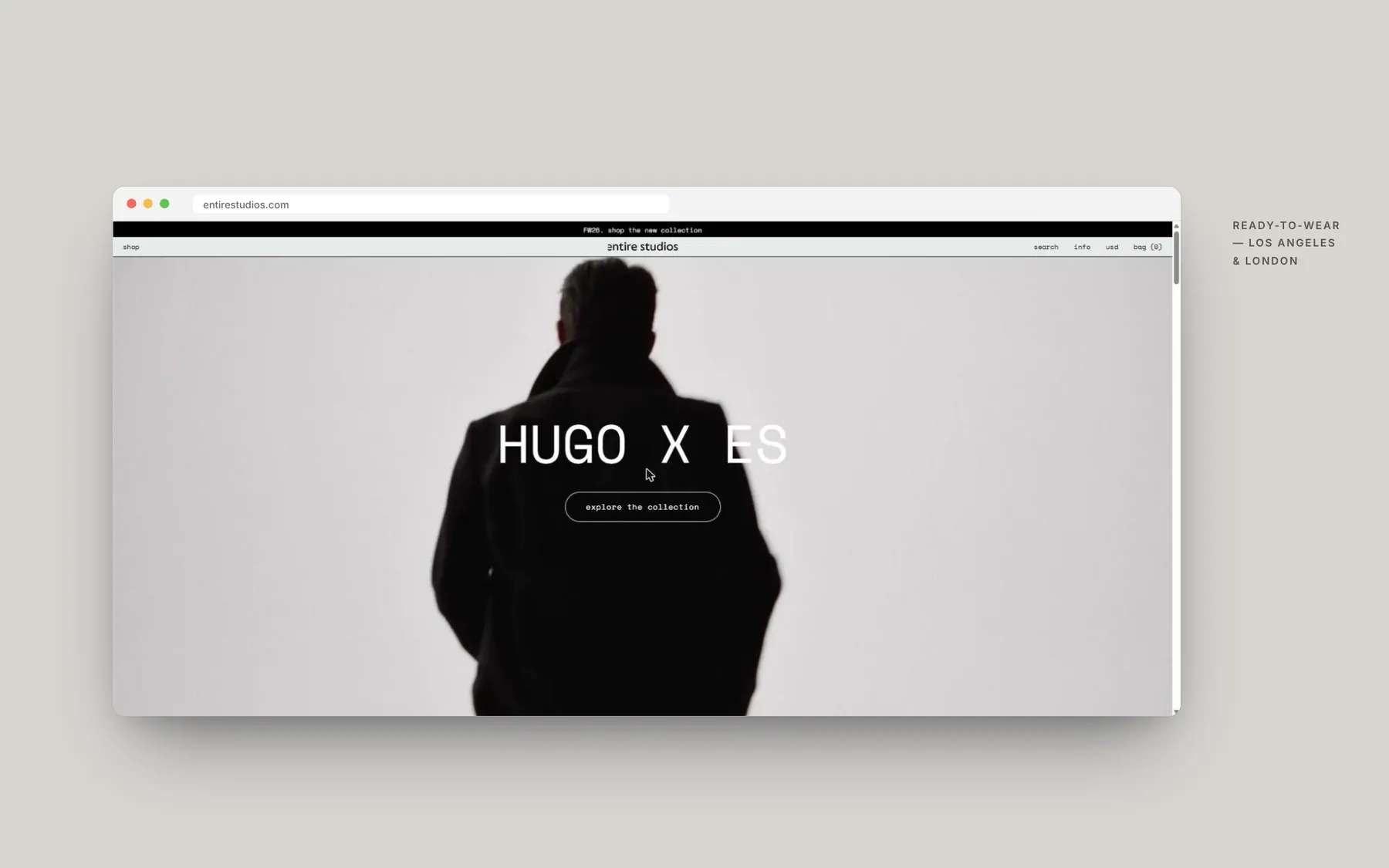
A ready-to-wear label that merchandises with full-screen video, and lays a quiet lowercase monospace interface over the top of it.
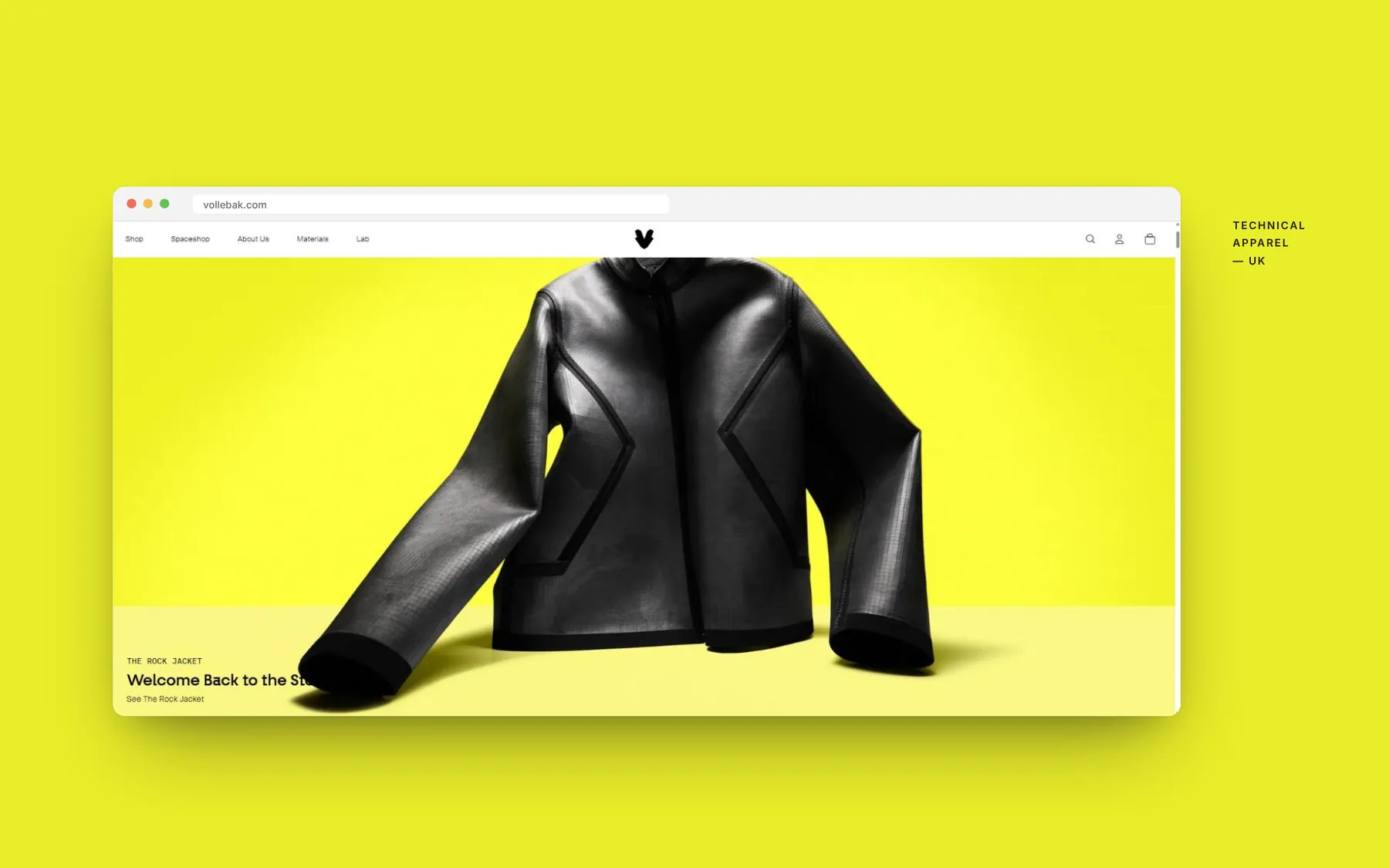
A technical clothing brand whose products have to be explained before anyone will buy them. So the storefront is built to tell stories rather than list sizes.
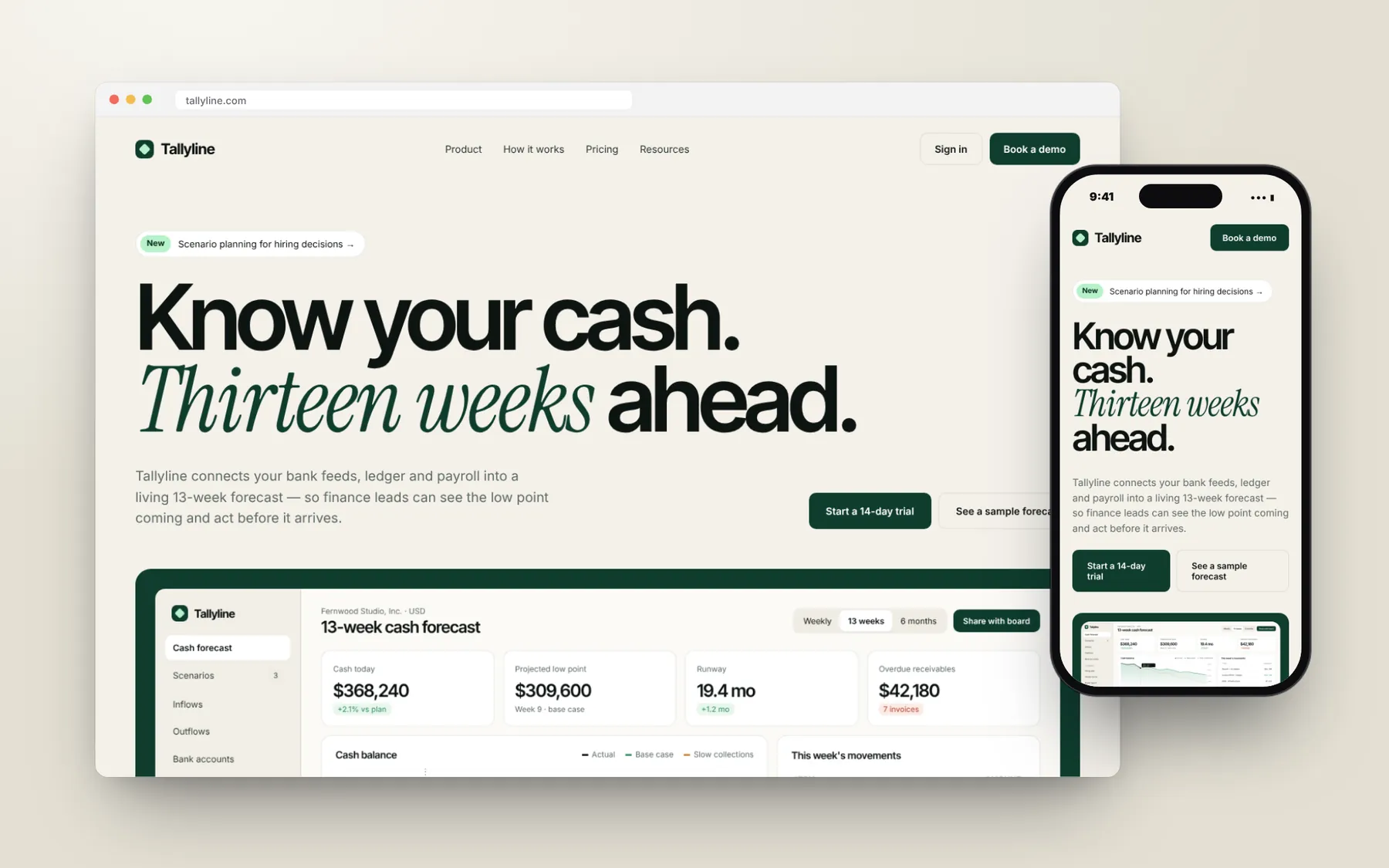
A concept B2B product. A thirteen-week cash forecast for finance leads, with the marketing site and the application designed as one thing.
Start a conversation
Tell us where you’re trying to get to and we’ll come back with a straight opinion on how.
or call (212) 777-1006
A New York digital partner joining up strategy, design, technology and performance, so growth has somewhere to go.
© 2026 LinkPilot Agency. All rights reserved.